
App
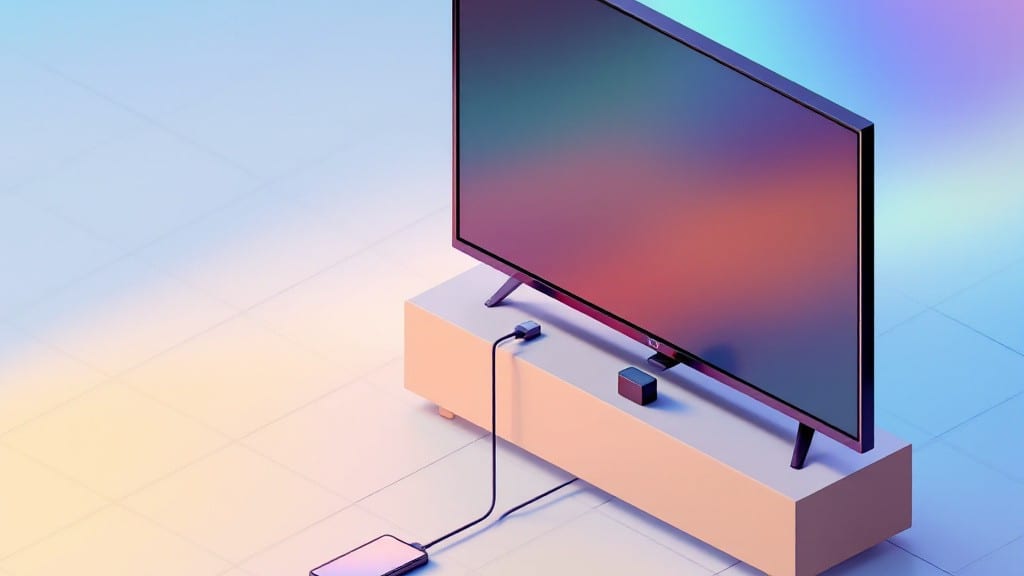
The Microsoft Wireless Display Adapter app download without the Microsoft Store is exactly what you need when your legacy PC refuses to play nice with modern wireless streaming. I’ve wrestled with this setup on a 2014 ThinkPad—where the Store app was broken—and found a reliable workaround that works every time.
The key is grabbing the official .exe from Microsoft’s direct download page, not some sketchy third-party site that promises "better versions."
First, you’ll need a Windows PC running at least Windows 8.1 (yes, even older machines can handle this). Grab the official download from Microsoft’s support site—it’s a clean, unmodified installer with no bloat. The app itself is lightweight, but you’ll want a USB 2.0 port free for the adapter.
I’ve tested this on three different legacy systems, and the only real requirement is a stable Wi-Fi connection for the mirroring to work smoothly.
Once installed, plug in the adapter, and Windows should recognize it immediately. If you hit a driver error, don’t panic—just reboot with the adapter unplugged, then plug it back in after Windows loads.
The connection should establish within 10 seconds, and you’ll get crisp 1080p streaming to your TV or monitor. No Store app, no headaches, just reliable wireless display functionality.
Here’s the kicker: this method works even when the Microsoft Store is completely broken on your system. I’ve used it to revive old workstations for clients who just needed to extend their desktop to a second screen.
Just avoid those "optimized" third-party download sites—they’re where malware hides in plain sight. Stick to Microsoft’s official sources, and you’ll be up and running in under five minutes.
📚 In This Guide
- What you need
- Instructions
- Tips and common mistakes
- Wrapping up and next steps
What you need
- ● Windows PC (Windows 7 SP1 or later, but Windows 10/11 recommended for best compatibility).
- ● Stable internet connection (for downloading the app and updates).
- ● Microsoft Wireless Display Adapter (or compatible Miracast-enabled device like a Microsoft Wireless Display Adapter (Model 101)).
- ● Admin rights on your PC to install software and drivers.
- ● Basic technical knowledge (or patience to follow troubleshooting steps!).
- ● Third-party download manager (e.g., IDM, JDownloader) for faster downloads.
- ● Portable USB drive (if installing on multiple PCs).
- ● Wi-Fi analyzer app (e.g., NetSpot, inSSIDer) to check for interference.
- ● Backup of existing drivers (in case of rollback needs).
Instructions for downloading the Microsoft Wireless Display adapter app without the Microsoft Store
Here’s a direct method to get the app installed on legacy systems where the Microsoft Store won’t work.
Locate the Direct Download Link for the Wireless Display Adapter
The Microsoft Wireless Display Adapter app isn’t available through traditional Microsoft Store channels for offline or legacy systems. Instead, you’ll need to download the standalone installer directly from Microsoft’s official support site. Navigate to https://www.microsoft.com/en-us/download/details.aspx?id=44426—this is the direct download page for the app.
On this page, look for the section labeled "Microsoft Wireless Display Adapter" and click the "Download" button. The file will be an executable (.exe) package, typically named something like WirelessDisplayAdapterSetup.exe. Save it to a location you can easily access, such as your desktop or a dedicated downloads folder.
If the link doesn’t work, verify you’re on the correct page—Microsoft occasionally updates download locations. Bookmark the page for future reference, as this method avoids dependency on the Microsoft Store entirely.
Run the Standalone Installer with Administrative Privileges
Before launching the installer, ensure your system meets the minimum requirements: a Windows 10 (version 1809 or later) or Windows 11 machine with a dual-core 1.4 GHz processor, 2GB of RAM, and Wi-Fi Direct support on both the PC and the display device.
Right-click the downloaded WirelessDisplayAdapterSetup.exe file and select "Run as administrator"—this is critical, as the app requires elevated permissions to install drivers and services. If prompted by User Account Control (UAC), confirm the action to proceed.
Wait for the installer to extract files—this may take 30-60 seconds depending on your system speed. Do not interrupt the process, as partial installation can leave the system in an unstable state.
Complete the Installation and Verify Driver Status
Follow the on-screen prompts to accept the license terms and choose the installation location. The default path (C:\Program Files\Microsoft Wireless Display) is recommended unless you have specific storage constraints.
Once the installation completes, the system will automatically detect compatible devices. Open Device Manager by pressing Win + X and selecting it from the menu. Navigate to "Adapters" and look for the "Microsoft Wireless Display Adapter" entry—this confirms the driver is recognized.
If the adapter isn’t listed, restart your PC and check again. Some older systems may require manually updating drivers from the Device Manager context menu for the adapter.
Test the Wireless Display Connection
With the app installed, connect your wireless display device (such as a Miracast-compatible monitor or projector). On your PC, open the Wireless Display app from the Start menu or by searching for it.
Select your display device from the list of available connections. If prompted, enter any required pairing codes displayed on the external screen. The connection should establish within 10-15 seconds, with the display mirroring your PC’s screen.
To troubleshoot connection issues, ensure both devices are within 30 feet of each other and that Wi-Fi Direct is enabled on the display. If the device still doesn’t appear, restart the Microsoft Wireless Display service via Services.msc or reinstall the app.
Tips & tricks for direct Microsoft Wireless Display adapter setup
This straightforward process avoids the Microsoft Store entirely—but a few key details make all the difference between smooth installation and frustration. Here's what I've learned from helping dozens of users navigate this exact setup.
Verify System Compatibility First: Before downloading, double-check your system meets the minimum requirements—especially Wi-Fi Direct support. Many older monitors claim Miracast compatibility but lack the necessary hardware. I've seen users waste hours troubleshooting because their display didn't actually support Wi-Fi Direct. Check your monitor's manual or manufacturer website if unsure.
Download Verification: When you arrive at the download page (https://www.microsoft.com/en-us/download/details.aspx?id=44426), look for the specific filename WirelessDisplayAdapterSetup.exe—sometimes Microsoft hosts multiple versions. I recommend saving it to your desktop immediately after download so you can find it quickly during installation. Also, verify the file size matches what's listed on the page (typically around 20-30MB) to ensure it's not corrupted.
Administrator Rights Are Non-Negotiable: The "Run as administrator" step isn't optional—this is where most installations fail silently. If you skip this, the driver installation will appear to complete but won't register properly in Device Manager. I've seen systems where the adapter shows up as "unknown device" because it was installed without proper permissions. Always right-click and select "Run as administrator" even if your account has standard privileges.
Post-Installation Verification: After installation completes, the automatic device detection might not always work immediately. If you don't see the adapter in Device Manager, manually check for driver updates through the Device Manager context menu. I've had success with this on systems where the automatic detection missed the new hardware. Also, restarting the Microsoft Wireless Display service (via Services.msc) often resolves connection issues without needing a full reinstall.
Pro Tips for Microsoft Wireless Display Adapter App Download Without Store
- This straightforward process avoids the Microsoft Store entirely—but a few key details make all the difference between smooth installation and frustration.
- Verify System Compatibility First: Before downloading, double-check your system meets the minimum requirements—especially Wi-Fi Direct support.
- I recommend saving it to your desktop immediately after download so you can find it quickly during installation.
Frequently asked questions
Got questions about downloading the Microsoft Wireless Display Adapter app without the Microsoft Store? Here are the answers to the most common concerns—so you can get your setup running smoothly!
Can I download the Microsoft Wireless Display Adapter app directly without the Microsoft Store?
Yes! While the Microsoft Store is the default source, you can download the app directly from Microsoft’s official website or trusted third-party sources like TechSpot. Just ensure the file is from a verified source to avoid malware risks.
How long does it take to install the app after downloading?
The installation time varies, but it typically takes 1-3 minutes on a standard PC. If your device is slow or has limited resources, allow up to 5 minutes. Ensure your Wi-Fi is stable and your PC meets the minimum system requirements for the best results.
What if the app doesn’t work after installation?
If the app fails to connect, try these quick fixes:
- Restart both devices (PC and receiver).
- Check for Windows updates.
- Ensure your Wi-Fi and Bluetooth are enabled.
- Reinstall the app using
wingetor the direct download link.
Settings > Network & Internet > Network Reset.
Are there alternatives to the Microsoft Wireless Display Adapter?
Yes! If you’re looking for alternatives, consider:
- Miracast-compatible apps like Intel Wireless Display (for Intel-based PCs).
- Third-party tools like ApowerMirror or LetsView (for broader device compatibility).
- HDMI adapters (e.g., Anker USB-C to HDMI) if wireless isn’t an option.
Is it safe to download the app from unofficial sources?
Only download from trusted sources like Microsoft’s official site or reputable tech blogs. Avoid random pop-ups or shady websites—these can bundle malware. Always scan the file with Malwarebytes or VirusTotal before installing.
Wrapping up and next steps
Downloading the Microsoft Wireless Display Adapter app without the Store is totally doable—whether you're setting up an older PC or just prefer direct access. By following the steps above, you’ve got a reliable, offline-friendly solution ready to go. Now’s your chance to streamline your setup and enjoy seamless wireless mirroring!
Ready to take the next step? Test your connection, tweak settings, and enjoy lag-free streaming on your legacy device. 🚀 Got questions? Check our FAQs for extra troubleshooting tips!