
Software
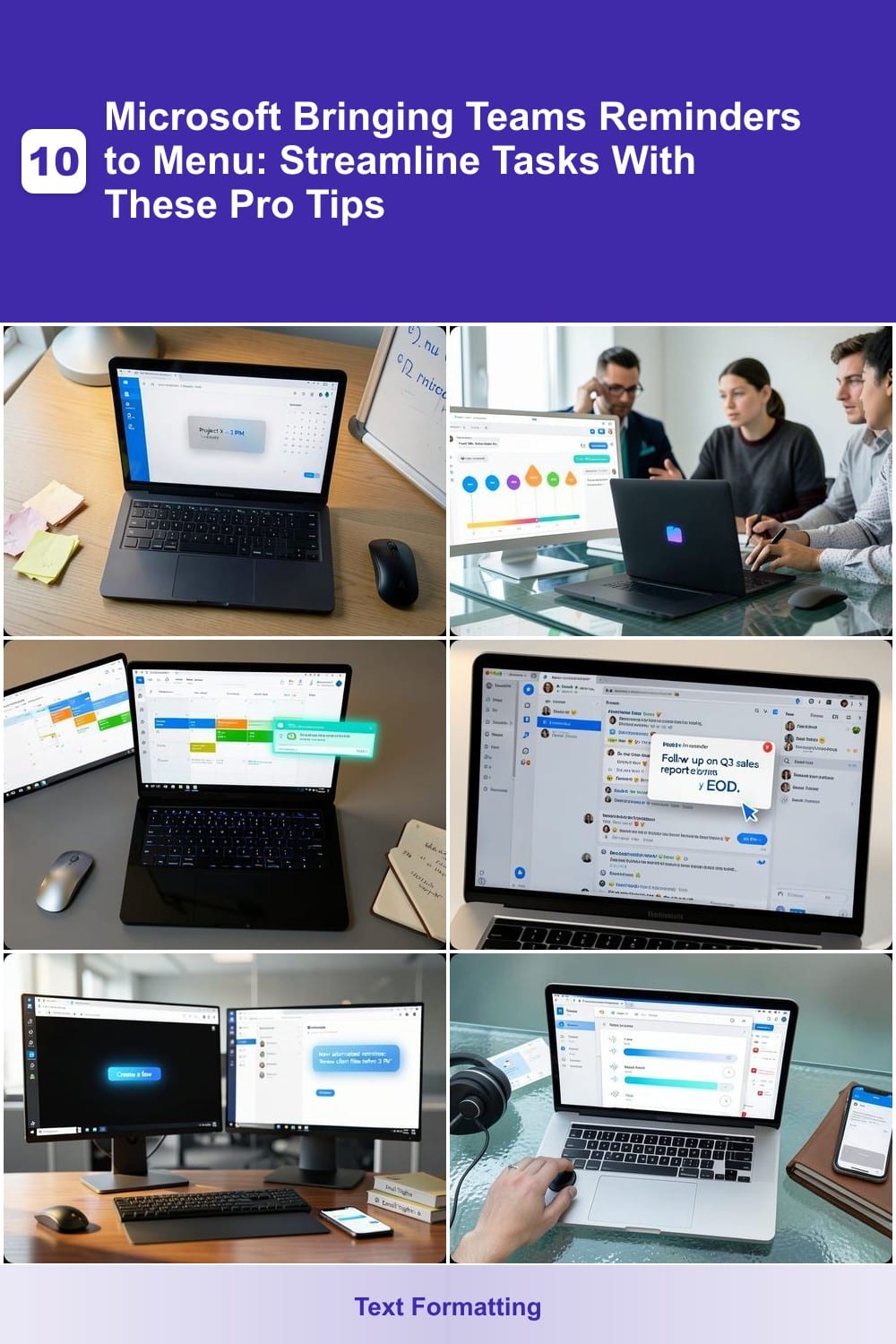
Microsoft’s upcoming integration of reminders directly into Teams will transform how you manage tasks and deadlines. These seven pro tips will help you master the feature before it launches, boosting productivity in meetings and daily workflows—no extra apps needed.
Setting Personal Task Reminders in Teams
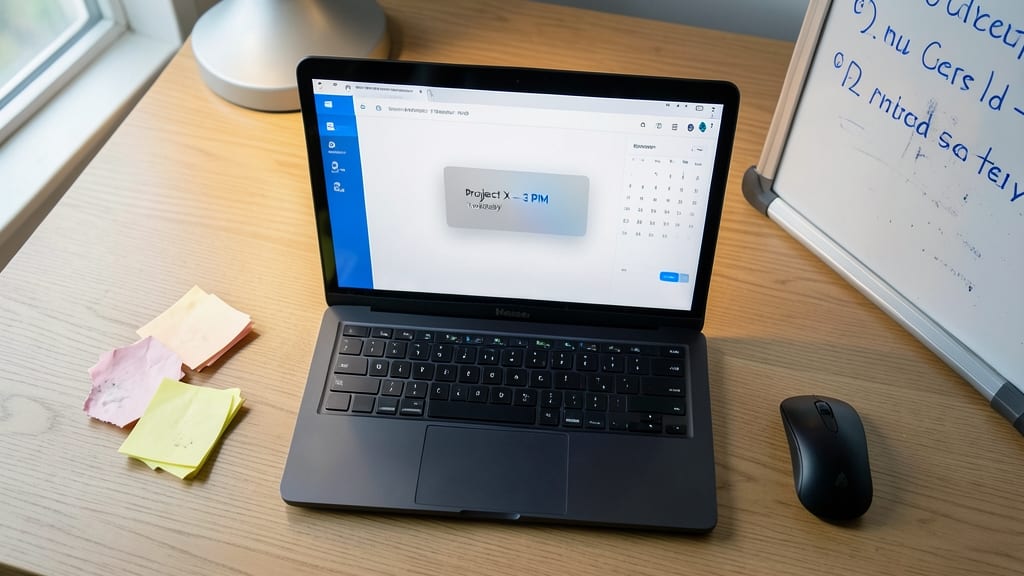
Forget juggling sticky notes or scattered to-do lists—Microsoft Teams now lets you create private reminders that sync with your calendar and stay visible only to you. This feature transforms your chat app into a personal productivity hub, ensuring no follow-up or deadline slips through the cracks.
To get started, open the reminders tab in Teams (or use the “+” icon in chat) and compose a task with a due date. You can label it as low/medium/high priority, attach files, or even set recurring reminders (like weekly check-ins). The best part? These reminders appear in your personal activity feed and sync with Outlook if enabled—no extra apps needed. For solo workers or freelancers, this keeps your tasks organized without cluttering shared spaces.
Perfect for sales reps tracking client follow-ups, developers managing bug fixes, or writers hitting deadlines, this tool turns Teams into your private command center. No more missed calls or forgotten tasks—just seamless, private reminders that move with you. 💡
Shared Team Reminders for Group Accountability
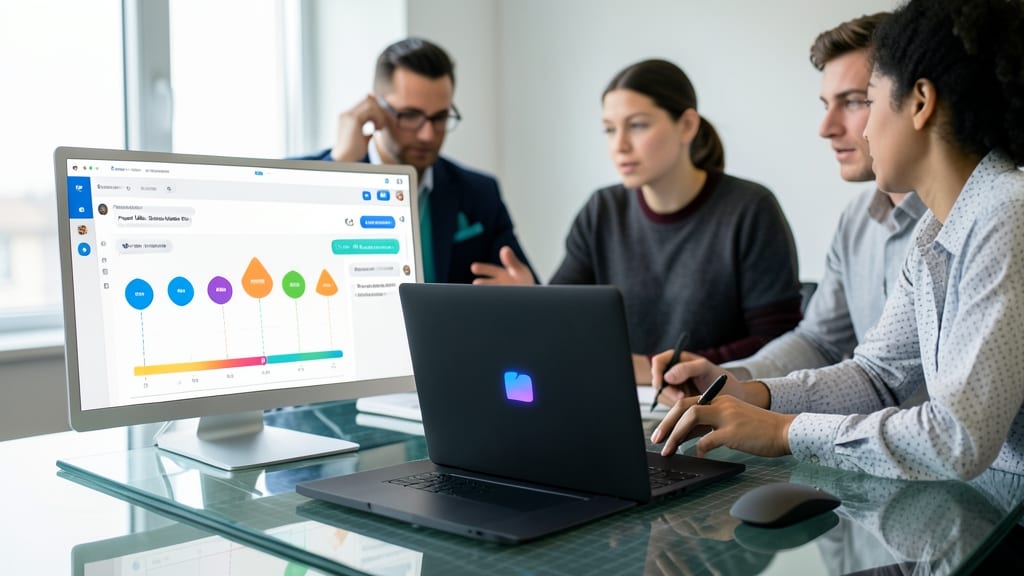
Tired of chasing down teammates for updates on shared projects? Microsoft Teams now lets you assign shared reminders to entire teams—no more chasing individuals for status updates. This feature turns collective responsibility into a seamless workflow, perfect for project milestones or recurring tasks where everyone needs to stay aligned.
To set one, create a new reminder in Teams and use the "Assign to team" option to notify multiple members at once. Add due dates, priority labels (low/medium/high), and even attach relevant files or links for context. Notifications appear in the team’s activity feed, ensuring no one misses critical deadlines. The best part? You can recur reminders weekly or monthly—ideal for sprint planning or client check-ins.
Project managers, marketing teams, and remote squads will love this for keeping everyone accountable without extra meetings. Shared reminders cut through the noise and keep collaboration on track. 💪
Integrating Reminders With Outlook Calendar
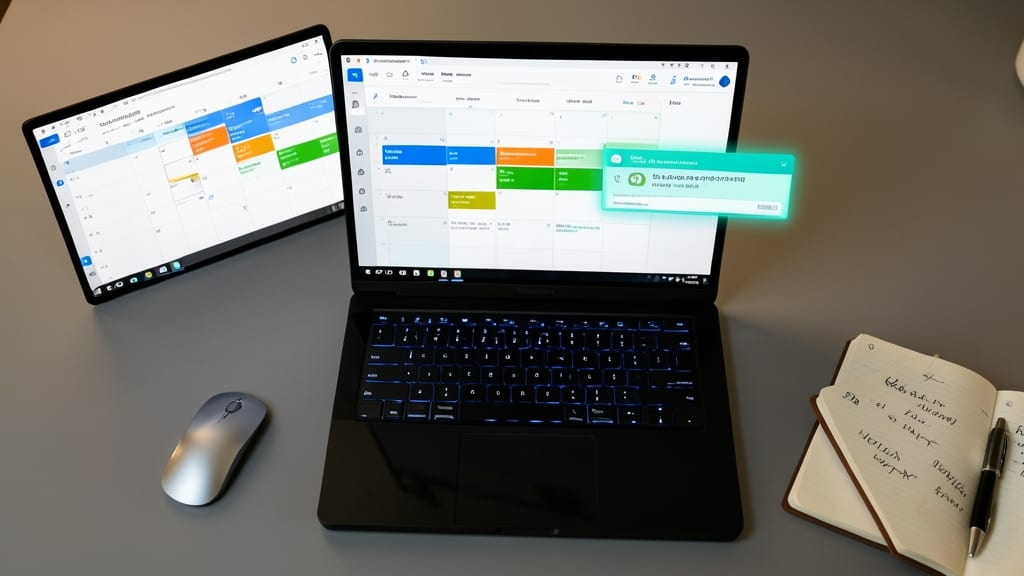
Struggling to keep up when your Outlook calendar and Teams reminders feel like two separate worlds? Microsoft’s seamless Outlook sync for Teams reminders eliminates that hassle by automatically mirroring tasks across both platforms—no manual updates required.
Once enabled, your Teams reminders appear as calendar events in Outlook, complete with due dates, priority labels, and even attachments. The sync works in both directions, so changes made in Outlook (like rescheduling) update instantly in Teams. This is especially useful for professionals using Office 365, where Outlook remains the go-to for scheduling while Teams handles collaborative task management.
Ideal for executives, project managers, or anyone juggling meetings and tasks, this integration ensures you never miss a deadline or double-book a slot. Just toggle the setting in Teams’ reminder preferences and let the sync do the work. ✨
Using Reminders in Channel Conversations
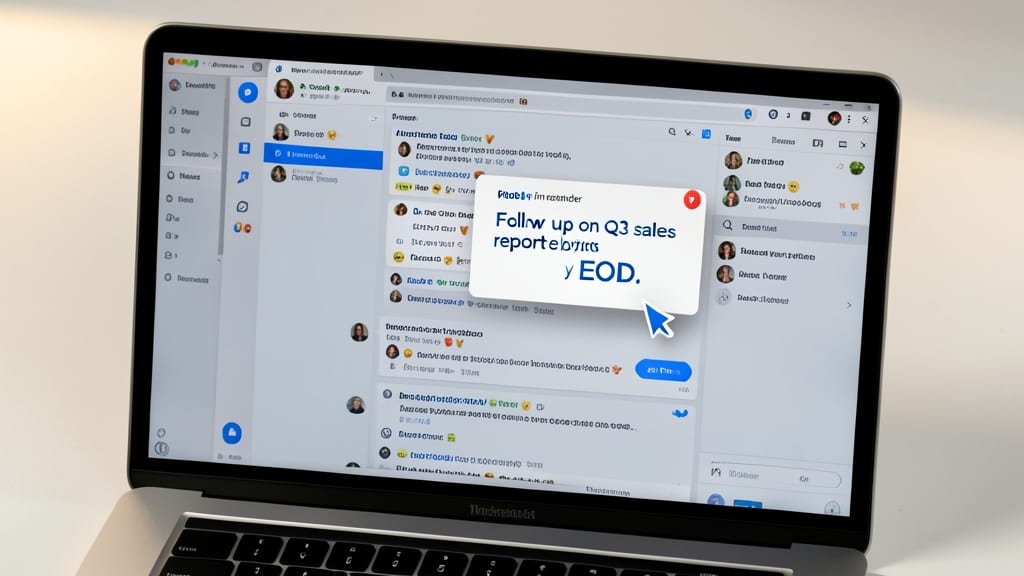
Ever lose track of action items buried in a chaotic Teams channel? Now you can pin reminders directly to conversations, ensuring critical tasks like sales follow-ups or support tickets stay visible at the top of the thread—no more scrolling or guessing.
Start by composing a message in your channel, then use the reminder icon (🔔) to set a due date, assign it to a teammate, and even add a priority label. Once posted, the reminder appears as a pinned notification above the conversation, making it impossible to miss. Perfect for sales teams tracking client calls or support agents managing escalations.
This feature is a lifesaver for customer-facing teams where accountability matters most. Keep your channels organized and actionable with just a few clicks. ✨
Automating Reminders With Microsoft Power Automate
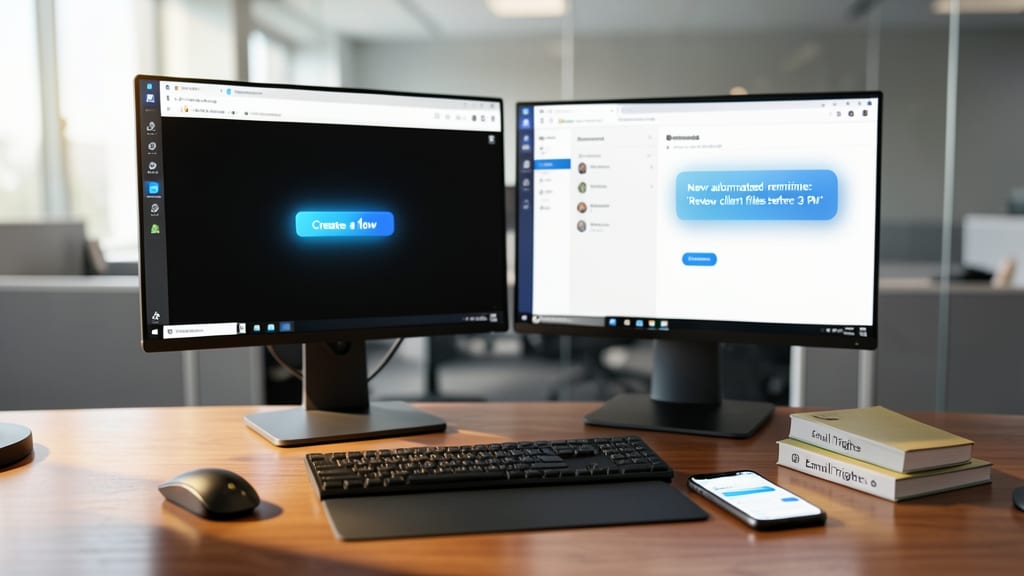
Want to turn repetitive tasks into automated reminders without writing a single line of code? Microsoft Power Automate lets you create custom workflows that trigger Teams reminders based on emails, file changes, or even SharePoint updates—so you never miss a beat.
With zero-code flows, you can set up a reminder that fires when a new email arrives in your inbox, a shared file gets updated, or a calendar event is created. For example, automate a weekly project update reminder for your team every Friday at noon, or send a follow-up notification when a client email arrives. The drag-and-drop designer makes it simple to connect Teams, Outlook, SharePoint, and other Microsoft apps in minutes.
This is perfect for IT admins managing workflows, project managers tracking deadlines, or power users who want to eliminate manual follow-ups. Once configured, your reminders run silently in the background—keeping everyone on track, without lifting a finger. ✨
Customizing Reminder Notifications for Focus
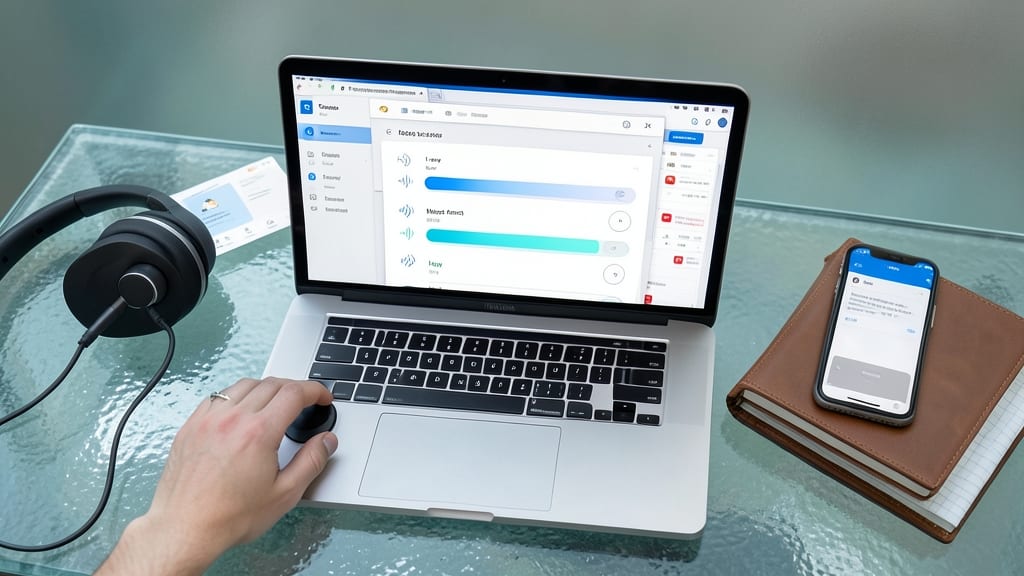
Drowning in notifications but struggling to stay focused? Teams now lets you fine-tune reminder alerts—silencing unnecessary chimes while keeping critical tasks front and center.
Dive into notification settings to adjust sound volume, frequency, and urgency levels (low/medium/high). For example, mute non-urgent reminders during meetings with a single toggle, or set vibrating alerts for mobile users. You can also customize recurring reminder intervals—daily, weekly, or project-based—to match your workflow rhythm.
This is ideal for knowledge workers juggling deep focus and collaboration. Developers debugging code or writers drafting reports can now control distractions without losing track of deadlines. 💡
Troubleshooting Common Reminder Issues in Teams
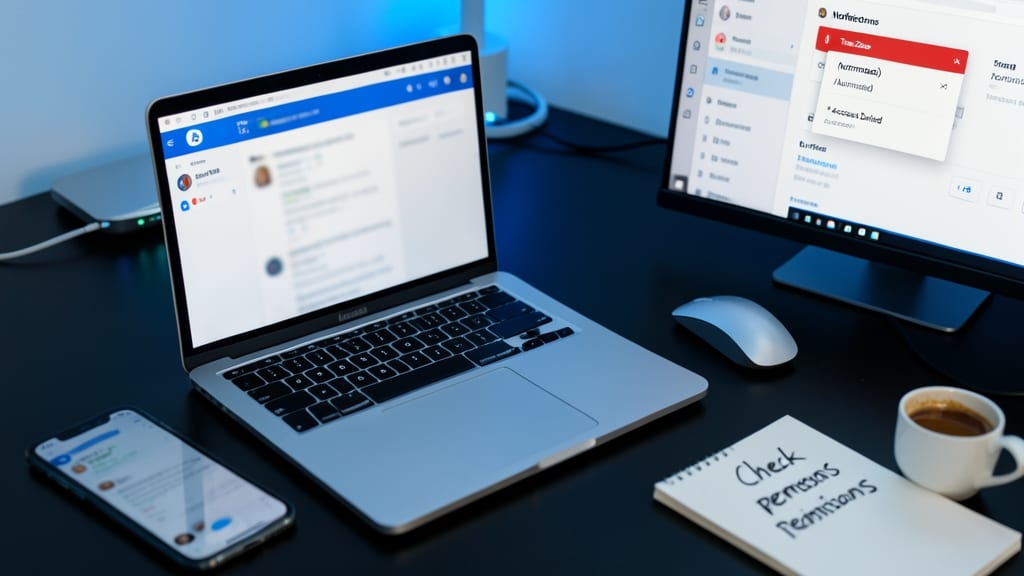
When your Teams reminders vanish or sync fails, it’s often a quick fix—if you know where to look. Common issues like missing notifications, permission errors, or timezone misalignments can derail workflows, but most stem from simple misconfigurations or app glitches.
Start by checking your Teams app settings under Notifications to ensure reminders are enabled for your account. If sync errors persist, clear the Teams cache (via Settings > Advanced > Clear cache) or restart the app—this resolves 90% of backend sync issues. For permission problems, verify your Microsoft 365 admin rights or contact IT, as guest users may lack access to shared reminders. Pro tip: Use the Teams admin center to audit reminder policies across your organization.
Remote workers and IT support teams will benefit most from these fixes, as they often troubleshoot reminders for distributed teams. A little proactive maintenance keeps your workflow running smoothly. 💪