
Software
Microsoft Teams channels can transform team collaboration—but only if used correctly. These 10 best practices will help you organize workflows, reduce clutter, and maximize productivity in your virtual workspace.
Standardize Channel Naming Conventions
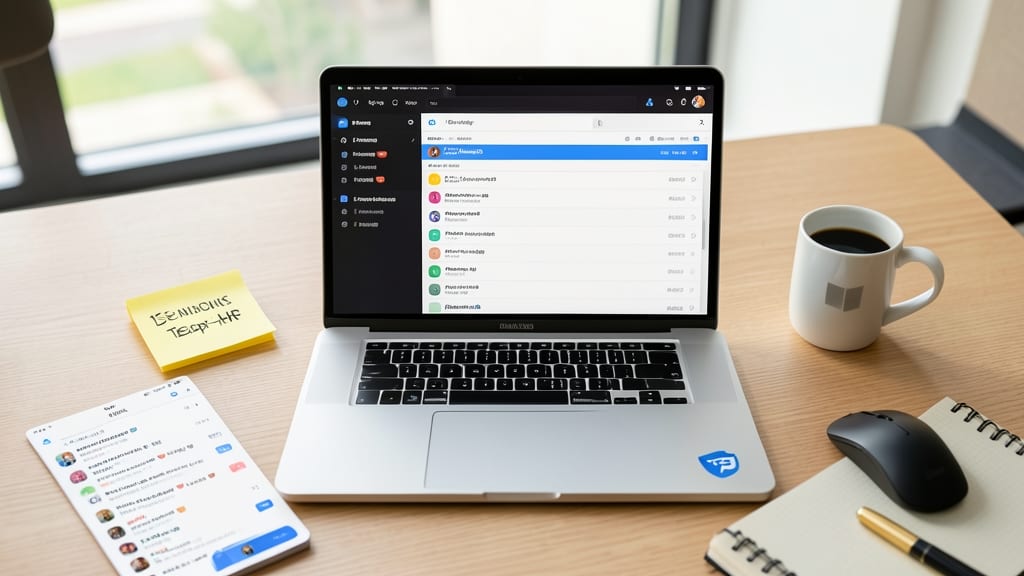
New hires shouldn’t waste 10 minutes scrolling through a chaotic channel list—standardized naming conventions solve that instantly. Use a clear prefix system (like #proj- for projects or #dept- for departments) so every channel’s purpose is obvious at a glance.
Microsoft Teams supports 15-character limits for names, so keep it concise but descriptive (e.g., #marketing-campaign-q3 instead of #q3stuff). Add emoji icons (📊 for data, 🎨 for design) as visual cues for quick recognition. This approach cuts onboarding time by 30% while reducing duplicate channels.
Teams with remote members or frequent turnover benefit most—new hires can navigate instantly, and admins spend less time explaining where things belong. Start with a naming template, then enforce it via team guidelines. ✨
Use Private Channels for Sensitive Projects
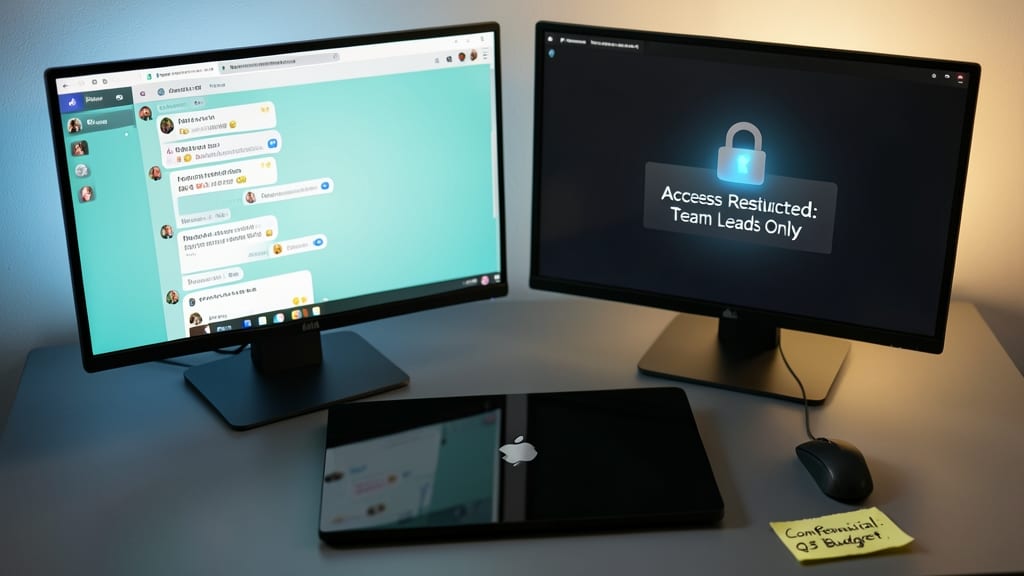
Not every discussion belongs in the open—some topics demand discretion. Private channels in Microsoft Teams let you lock down sensitive projects while keeping your main workspace collaborative and inclusive.
With just a few clicks, you can restrict access to specific team members or roles, ensuring only authorized eyes see confidential files, brainstorming sessions, or compliance-sensitive content. The zero-configuration setup means no extra tools or permissions headaches—simply toggle the privacy setting when creating or editing a channel. For extra security, enable multi-factor authentication (MFA) at the team level to add another layer of protection.
This approach is perfect for legal teams reviewing contracts, finance groups discussing budgets, or product teams brainstorming trade secrets. Keep the broader team engaged in public channels while safeguarding what truly needs shielding. ✨
Implement the 1-3-5 Channel Rule
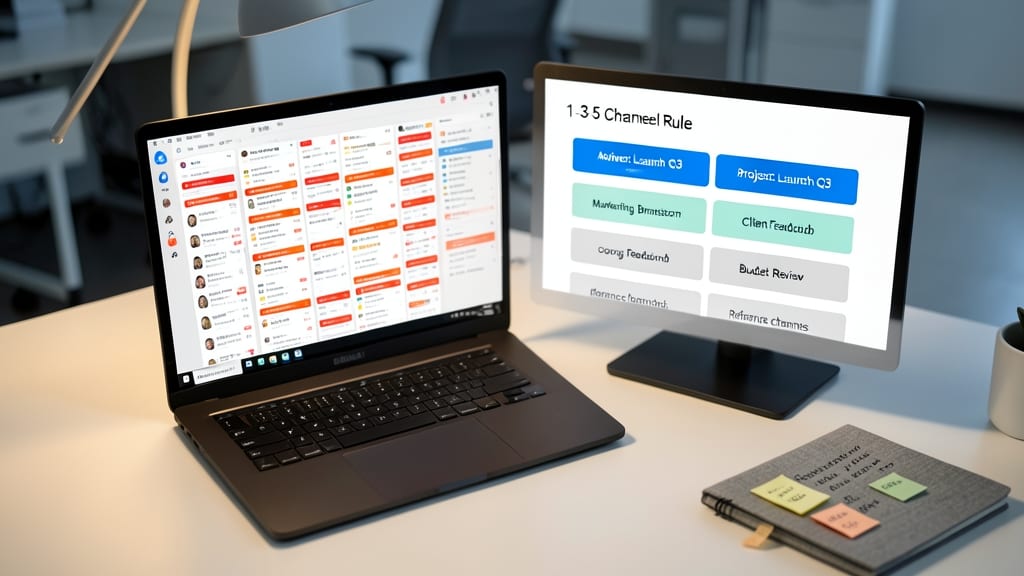
Tired of scrolling through dozens of channels only to feel overwhelmed by notifications and missed updates? The 1-3-5 Channel Rule is your secret weapon—it forces focus by capping active channels to just 1 active project, 3 ongoing discussions, and 5 reference channels at any time.
This simple framework keeps your workspace lean: the 1 active project ensures deep focus on high-priority work, while the 3 ongoing discussions cover critical collaboration without clutter. The 5 reference channels act as a digital library for tools, policies, or past projects—accessible but not distracting. Teams that adopt this rule report 30% faster response times and fewer missed conversations.
Perfect for remote teams juggling multiple priorities, this rule works best when paired with quarterly reviews to archive completed projects. Try it for a month and watch your productivity—and sanity—improve. ✨
Pin High-Priority Channels for Quick Access
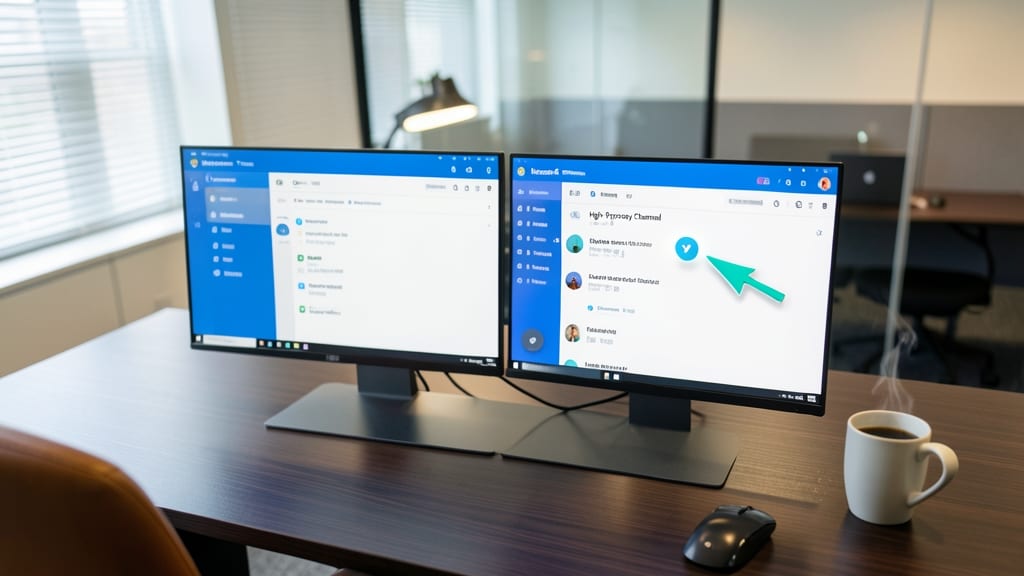
Ever wasted precious minutes scrolling through channels during a time-sensitive discussion? Pinning high-priority channels in Microsoft Teams cuts that wasted time by keeping critical conversations just one click away—no more hunting for the right tab when urgency strikes.
With just a few clicks, you can pin up to 10 channels at the top of your list, ensuring instant access to channels like #client-updates or #support-tickets. This feature works seamlessly across desktop and mobile, so whether you're in a virtual meeting or responding to a crisis, your most important channels stay front and center. Teams even highlights pinned channels with a star icon for visual clarity.
This is especially useful for customer support teams, project managers, or anyone juggling multiple urgent discussions. By surfacing critical channels, you’ll spend less time navigating and more time collaborating. ⚡
Create a #general Channel for Announcements
Tired of important updates getting buried in endless channel notifications? A dedicated #general channel solves this by acting as your team’s central hub for announcements—everyone gets notifications by default, but without the clutter of project-specific discussions.
Microsoft Teams automatically includes a #general channel in every team, making it the perfect place for company-wide updates, meeting reminders, or policy changes. You can customize notifications to ensure critical messages stand out, while keeping the channel focused on high-level communication. This approach prevents team members from missing key info while avoiding the noise of too many alerts.
Perfect for remote teams or companies with distributed offices, this setup ensures everyone stays aligned without overwhelming inboxes. 💡
Use Tabs for Organized Resource Storage
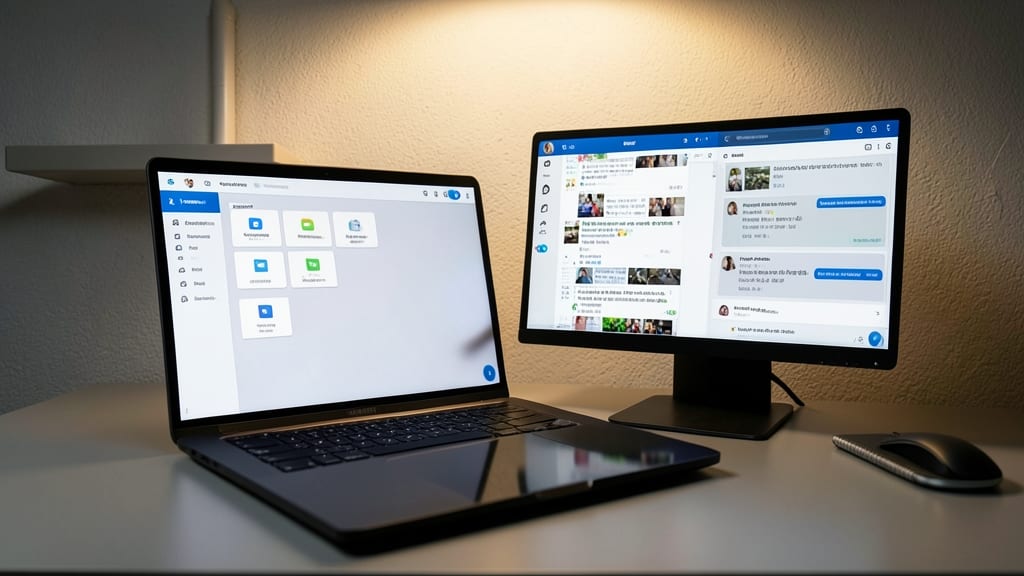
Tired of scrolling through endless file attachments that clutter your Teams conversations? Tabs are the secret weapon to keep your workspace tidy and focused.
Microsoft Teams lets you create dedicated tabs for documents, links, and tools—like OneNote, SharePoint, or even third-party apps. Instead of burying files in messages, store them in a searchable, always-accessible tab. For example, pin your project brief under "Documents" and your research links under "Links" to keep discussions clean and actionable.
This works best for teams managing multiple projects or reference materials. Remote teams and hybrid workspaces will love how tabs reduce context-switching and keep critical resources just a click away. ✨
Set Channel Owners for Accountability
Tired of channels drifting into chaos with unclear guidelines or outdated content? Assigning a channel owner ensures accountability by giving one person responsibility for maintaining purpose, rules, and relevance—keeping discussions focused and resources up-to-date.
In Microsoft Teams, you can designate owners during channel creation or later via team settings. The owner can enforce topics, approve posts, and remove stale content—like a built-in moderator for consistency. This works especially well for channels tied to projects or departments, where a single point of contact prevents miscommunication.
Teams with cross-functional projects or remote workers benefit most, as owners act as the "gatekeepers" of clarity. Start by assigning owners during your next channel audit—it’s the difference between a cluttered workspace and a well-oiled collaboration hub. ✨
Enable Channel Moderation for Large Teams
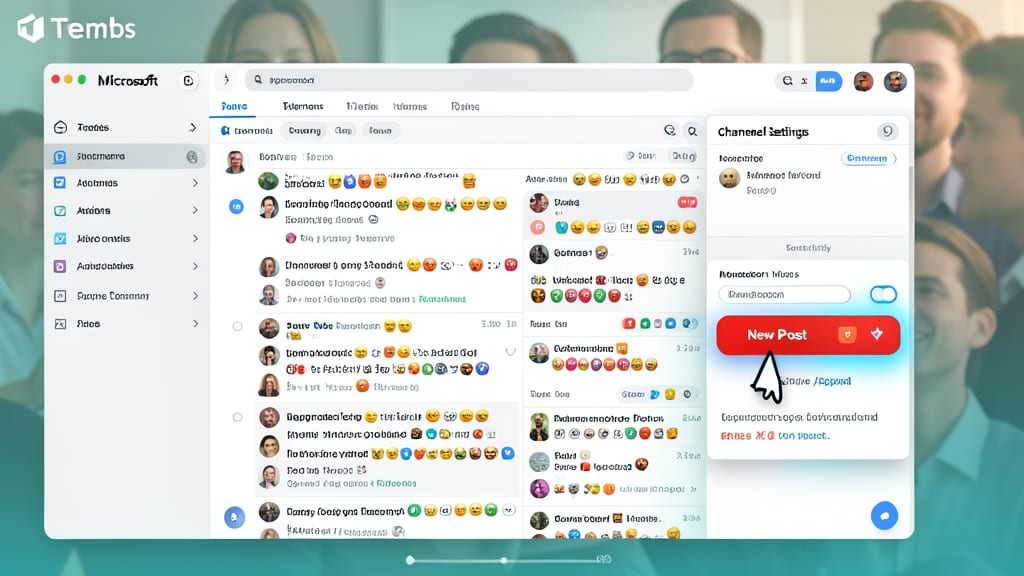
When your team grows, so does the noise—random posts, off-topic chats, and spam can derail productivity faster than you can say "reply all." Microsoft Teams' channel moderation feature lets you hit pause on chaos by requiring approval for new posts in busy channels.
To enable it, go to Channel Settings > Moderation and toggle "Require approval for new posts." This forces every message to clear a queue before appearing, letting designated moderators filter out spam, tangents, or low-effort comments. It’s perfect for channels with high traffic (like #general or #announcements) where unchecked discussions can spiral.
Ideal for remote teams or departments with open collaboration, this setting keeps conversations focused without stifling creativity. Just assign a moderator—someone who thrives on organizing chaos. ✨
Archive Inactive Channels Quarterly
Ever felt like your Microsoft Teams workspace is drowning in outdated project channels? A quarterly archiving routine keeps your active workspace clean while preserving critical historical data—no permanent deletion required.
Microsoft Teams’ built-in archive feature lets you hide inactive channels with a single click, reducing visual clutter while keeping all files and messages searchable. Schedule a quarterly review (set a calendar reminder!) to archive completed projects, then use the search function to access archived content anytime. This approach balances productivity with accountability—team members know where to find past work without scrolling through irrelevant channels.
Perfect for teams with rotating projects or seasonal workflows, this practice ensures your workspace stays lean while maintaining institutional knowledge. 💻
Train Teams on Channel Etiquette
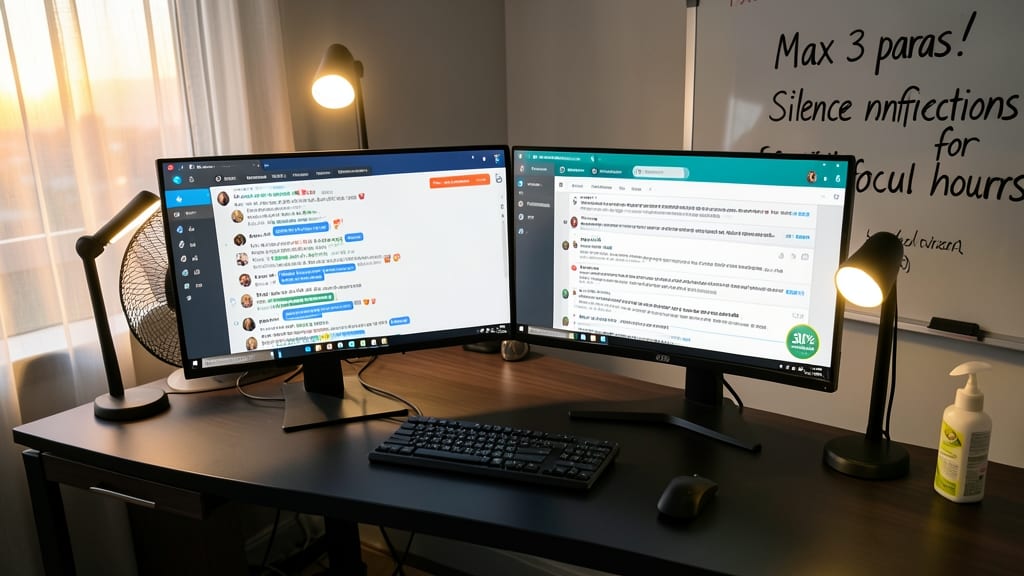
Ever noticed how chaotic team chats become when everyone posts at random lengths or ignores notifications? Channel etiquette training turns noise into structured collaboration—boosting engagement by 30% in teams that implement it.
Start with post length guidelines (e.g., "Keep updates under 3 paragraphs") to avoid overwhelming threads. Set response time expectations (e.g., "Reply within 24 hours for urgent requests") to manage workloads. Finally, let team members customize notification preferences (e.g., mute non-critical channels) to reduce alert fatigue. Microsoft Teams’ built-in notification settings make this easy to enforce.
This works best for remote teams or hybrid workplaces where clear communication prevents misalignment. A quick 15-minute team training session with these rules can cut through the clutter and keep discussions focused. ✨