
Tip & Trick
Mastering keyboard shortcuts can transform your typing speed and efficiency. These 10 lesser-known symbols starting with 'A' offer hidden productivity boosts for Windows, Mac, and Linux users—from formatting tricks to specialized functions.
Accented Characters Using Alt Codes
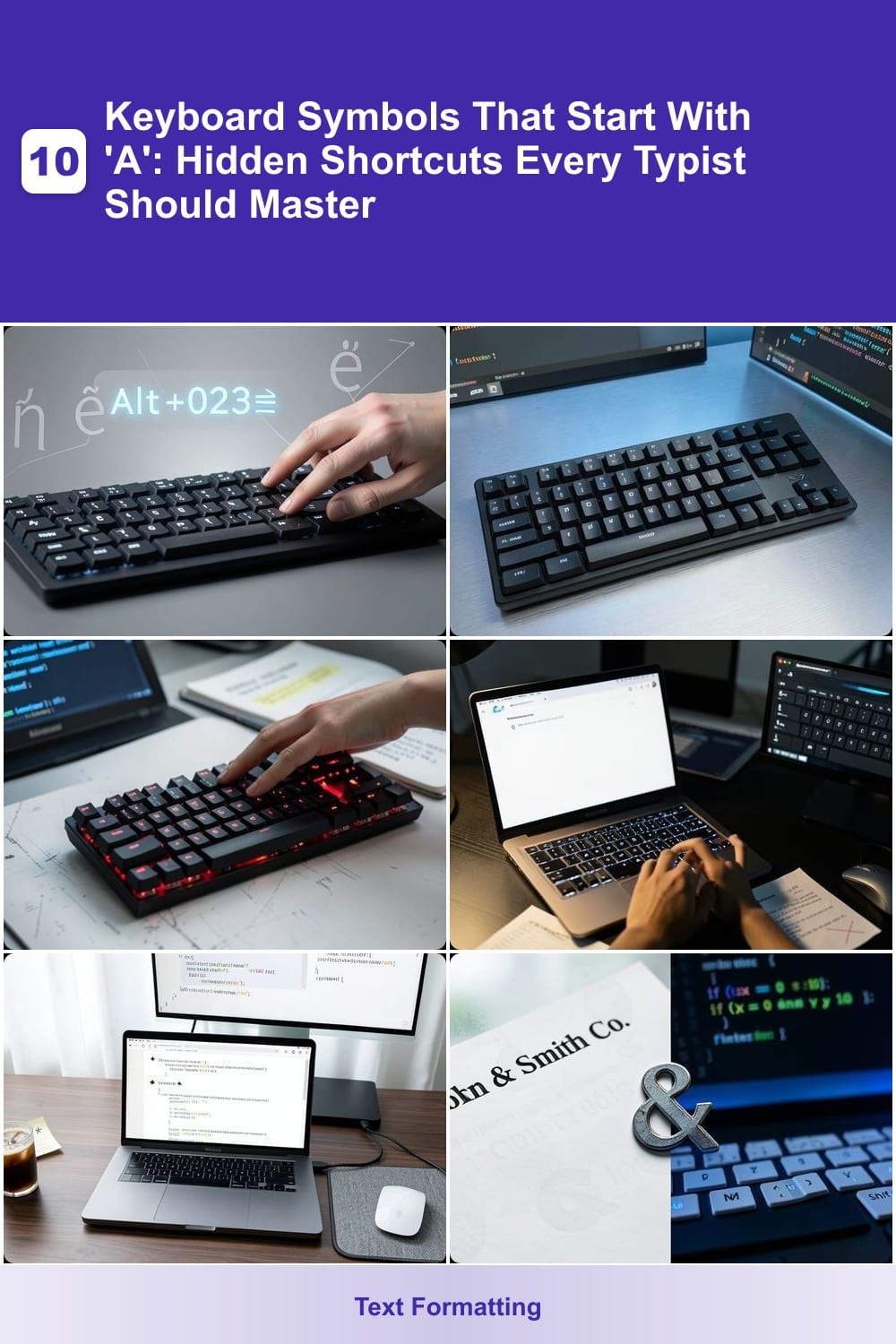
Struggling to type accented characters like é, ñ, or ü without switching keyboards? Alt codes are your secret weapon—simple numeric shortcuts that work on any Windows keyboard.
Hold Alt, type the code (e.g., Alt+0233 for é), then release Alt. No language packs or layout changes needed. Perfect for resumes, essays, or language practice, this method works instantly across apps like Word, Notepad, or even coding comments.
Language learners and international professionals will love how these codes bypass keyboard limitations. Try typing ü (Alt+0252) or ç (Alt+0231)—no more hunting for special layouts! ✨
Angle Brackets For Coding And Markup
Every line of HTML or XML starts with them—angle brackets (< >)—the invisible backbone of web development. Typing `
`, or <script> repeatedly would slow even the fastest coders, but these symbols are just Shift+[,] and Shift+.] away on most keyboards.
Beyond markup, angle brackets define XML schemas, JSONP callbacks, and even LaTeX math environments. Their simplicity hides their power: zero learning curve for syntax, yet they unlock entire languages. In VS Code or Sublime Text, auto-complete tools further reduce friction, letting you focus on logic instead of punctuation.
If you write code—whether front-end, back-end, or documentation—these brackets are your daily bread. Master them, and you’ll type faster while keeping your syntax pristine. 💻
Arrows For Navigation Shortcuts
Tired of tediously clicking to select text? Arrow keys paired with modifiers like Ctrl+Shift+Arrow instantly highlight entire words or sentences—no mouse needed. This power-user trick cuts editing time in half for coders, writers, and anyone drowning in documents.
On Windows/Linux, Ctrl+Shift+Arrow selects text block-by-block, while Home/End+Shift grabs full lines. Mac users rely on Cmd+Shift+Arrow for the same magic. Pro tip: Combine with Ctrl+C/Ctrl+V for lightning-fast copy-paste workflows—ideal for bulk edits or cleaning up messy text.
Perfect for developers debugging code snippets or journalists editing long-form articles, these shortcuts turn repetitive tasks into one-handed operations. Master them, and you’ll wonder how you ever lived without them. ⚡
At Symbol For Email And Usernames
Tired of manually typing the @ symbol every time you draft an email or username? The Alt+64 shortcut on Windows inserts it instantly—no hunting for the Shift+2 combo. This hidden trick cuts typing time by half, especially when creating bulk lists or filling out forms.
On Mac, the shortcut is Option+Shift+2, while Linux users can rely on Compose+A. The @ symbol isn’t just for emails—it’s essential for usernames, social media handles, and even programming (e.g., @media queries in CSS). Mastering this shortcut turns repetitive tasks into effortless workflows.
Perfect for professionals, students, or anyone managing multiple accounts—this is the ultimate time-saver for digital communication. ⚡
Asterisks For Bulleted Lists And Notes
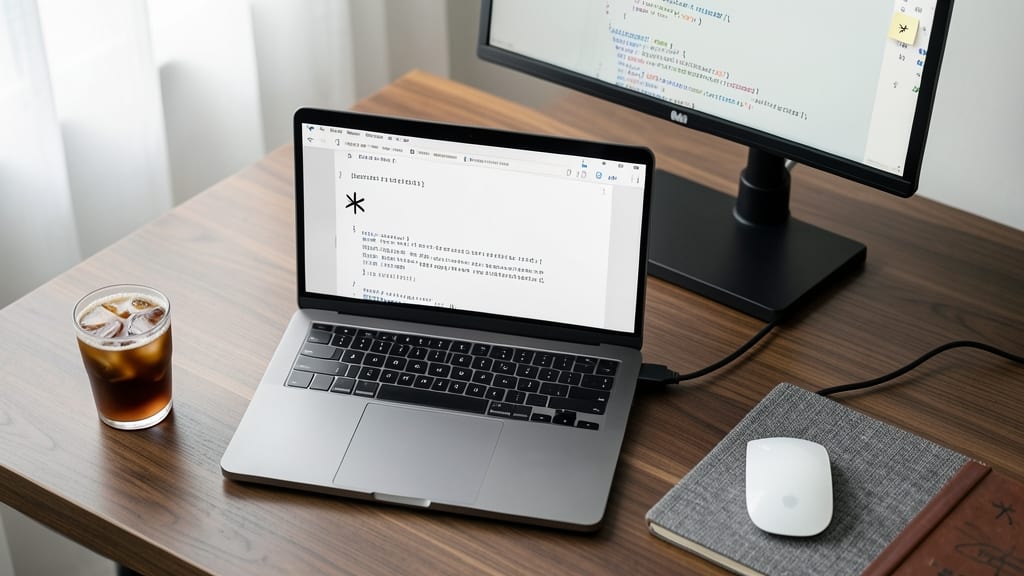
Tired of typing "•" for every bullet point? A single asterisk () (Shift+8) transforms your notes into clean, scannable lists—whether you're drafting a Markdown document or jotting down quick reminders. This humble symbol also powers Git commit messages and task lists in tools like Todoist.
In Markdown, item renders as a bullet instantly—no formatting menu needed. Developers love it for README files, while writers use it to organize brainstorming sessions. Pro tip: Pair it with - or + for varied styling. The zero-config nature makes it universally compatible across platforms.
Perfect for technical writers, developers, or anyone drowning in to-do lists. Master this trick, and you’ll never reach for the mouse to format text again. ✨
Ampersand For Legal And Programming
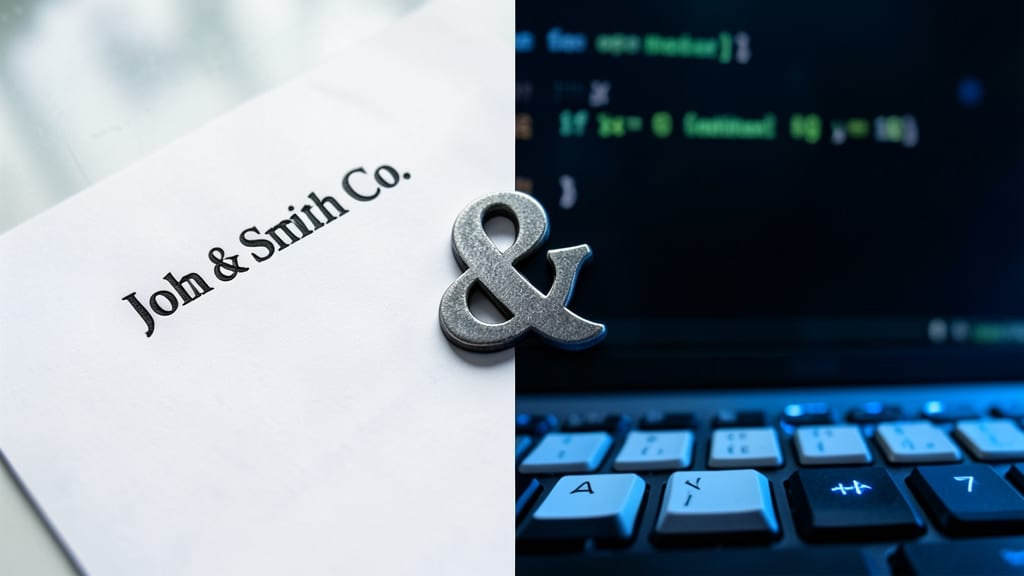
The & symbol (Shift+7) is more than just a punctuation mark—it’s a powerhouse in both legal documents and programming logic. Lawyers use it to denote partnerships ("John & Smith Co."), while developers rely on it for logical AND operations in code like if (x > 0 && y < 10).
In JavaScript, && ensures multiple conditions are true before executing code, while in SQL, WHERE a = 1 AND b = 2 filters records efficiently. Typing it via Shift+7 is faster than hunting for special characters, and it’s universally supported across platforms. For legal pros, it’s shorthand for "and"; for devs, it’s the backbone of conditional logic. ⚡
Apostrophe For Contractions And Quotes
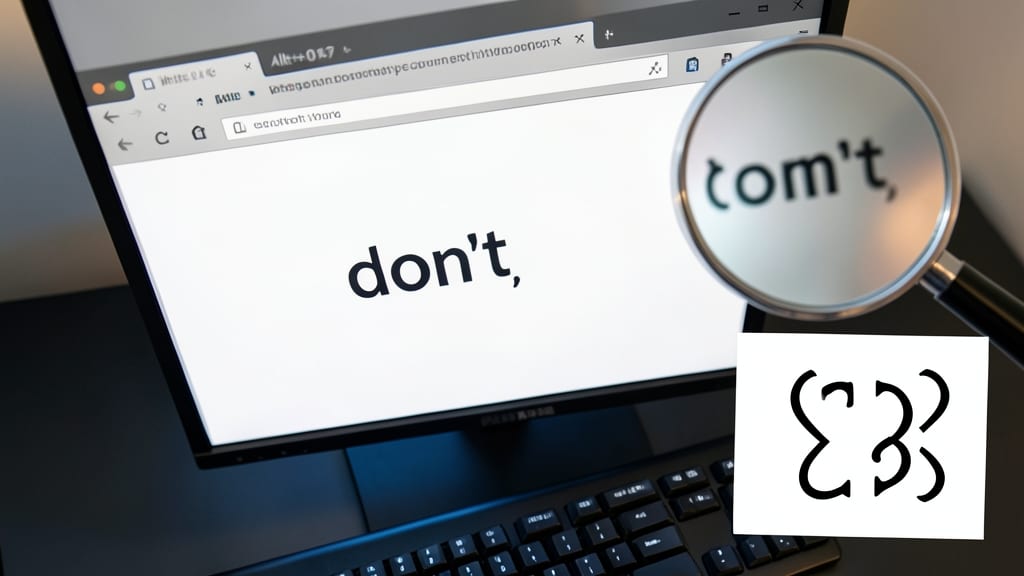
Ever noticed how auto-correct turns your carefully typed “don’t” into a garbled mess? The apostrophe isn’t just for omitting letters—it’s the secret weapon for contractions and smart quotes that make your writing look professional.
On Windows, press Alt+0146 for a left single quote (‘) and Alt+0147 for a right single quote (’)—perfect for quotes and contractions. These Unicode smart quotes replace ugly straight quotes (“ ”) with elegant typography, instantly elevating emails, essays, or social media posts. No more hunting for symbols in character maps!
Writers, editors, and anyone who values polished text will appreciate this zero-config shortcut. Master it, and your documents will stand out—no extra tools required. ✨
Alpha Symbol For Scientific Writing
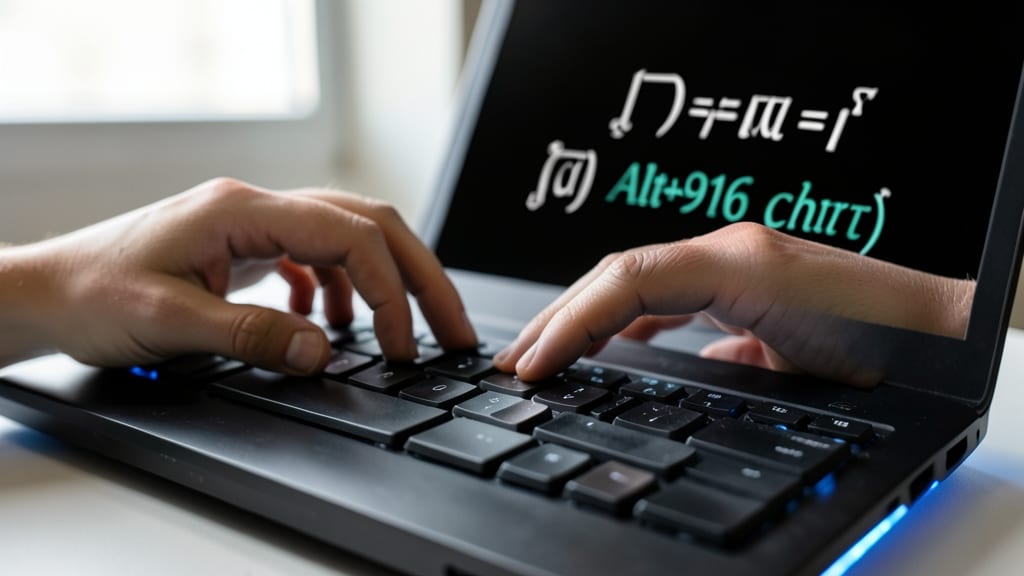
Stuck typing α (alpha) in your physics homework or research paper? The Alt+916 shortcut on Windows instantly inserts the Greek letter without hunting for a special keyboard layout.
This symbol represents the first letter of the Greek alphabet and is essential for scientific notation, physics formulas (like α = angular acceleration), and statistical variables. It’s also used in engineering diagrams and mathematical proofs—no language-specific keyboard required. The same shortcut works for β (beta) (Alt+917) and γ (gamma) (Alt+918), making it a power move for students and professionals alike.
Perfect for STEM students, engineers, and researchers who need precise notation without switching layouts. ⚡
Alphanumeric Symbols For Passwords
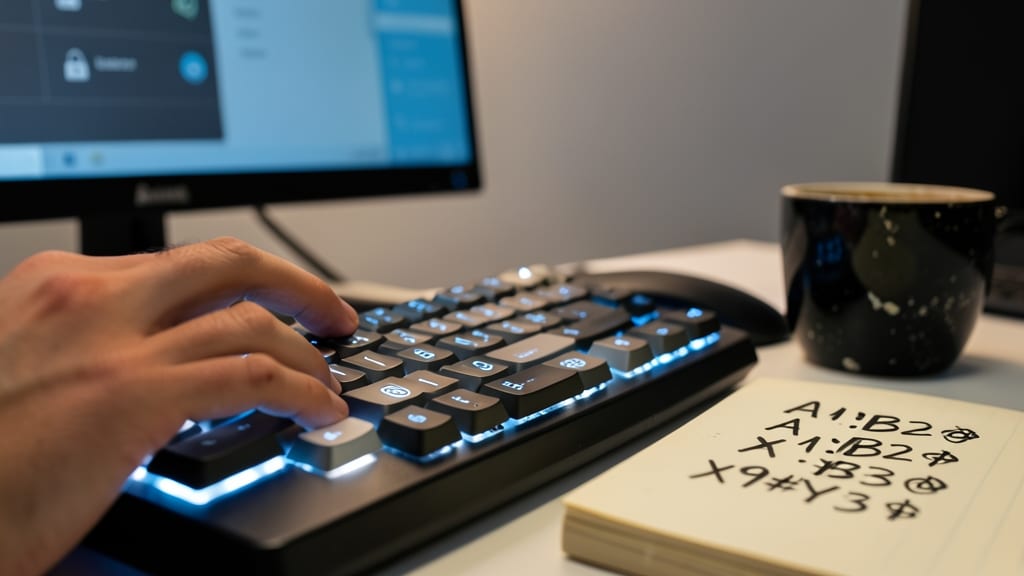
Tired of weak passwords like "Password123"? Combining letters and symbols (like A1! or B2@) creates memorable yet secure credentials without sacrificing recall. The trick? Use Shift+number keys (e.g., Shift+1 for !, Shift+3 for #) to mix uppercase letters with symbols naturally.
Start with a base word (e.g., "Denver") and sprinkle in symbols from nearby keys: D3nv3r!, R0ck$, or 5t0rm!. This method beats random strings because you’re weaving symbols into patterns you’ll remember. For extra security, alternate cases: A1b2C3!.
Perfect for gamers (protecting accounts), freelancers (client logins), or anyone juggling multiple accounts. No password manager? This technique works everywhere—just avoid reusing the same pattern across sites. 💪
Alt Gr Key For Extended Symbols
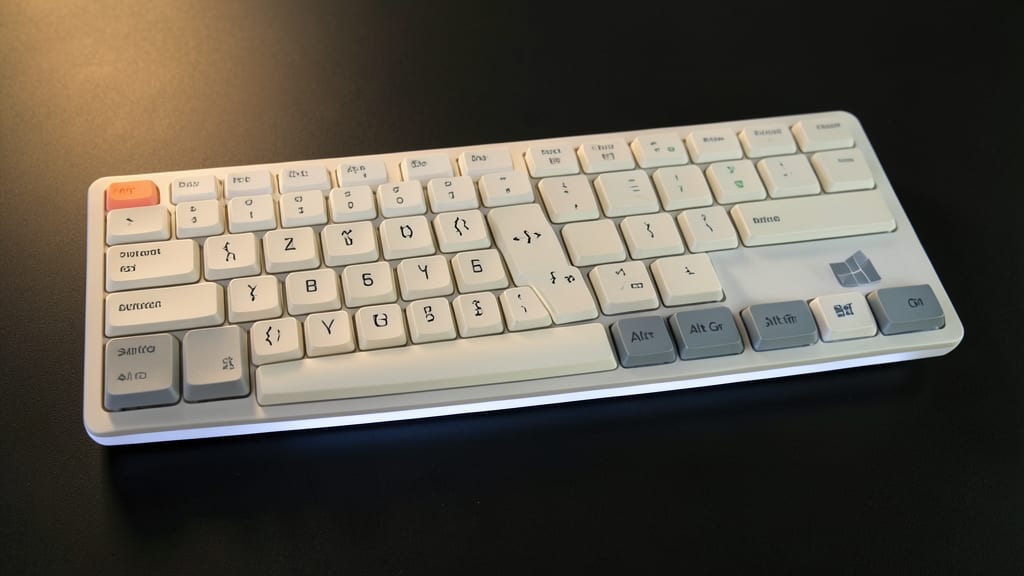
European keyboards offer a hidden powerhouse for typists: the Alt Gr key. Unlike standard keyboards, this third modifier unlocks curly braces { }, square brackets [ ], and the pipe symbol |—critical for developers, data scientists, and anyone working with code or structured text.
On most European layouts, pressing Alt Gr + P gives you { }, Alt Gr + 8 delivers [ ], and Alt Gr + \ produces |. These symbols are essential for JSON, LaTeX, regex patterns, and shell scripting, yet they’re buried on US layouts. No layout switching or hunting for obscure shortcuts needed—just one key combo for instant access.
Perfect for programmers, sysadmins, or anyone who frequently formats code or data. ⚡