
Troubleshooting
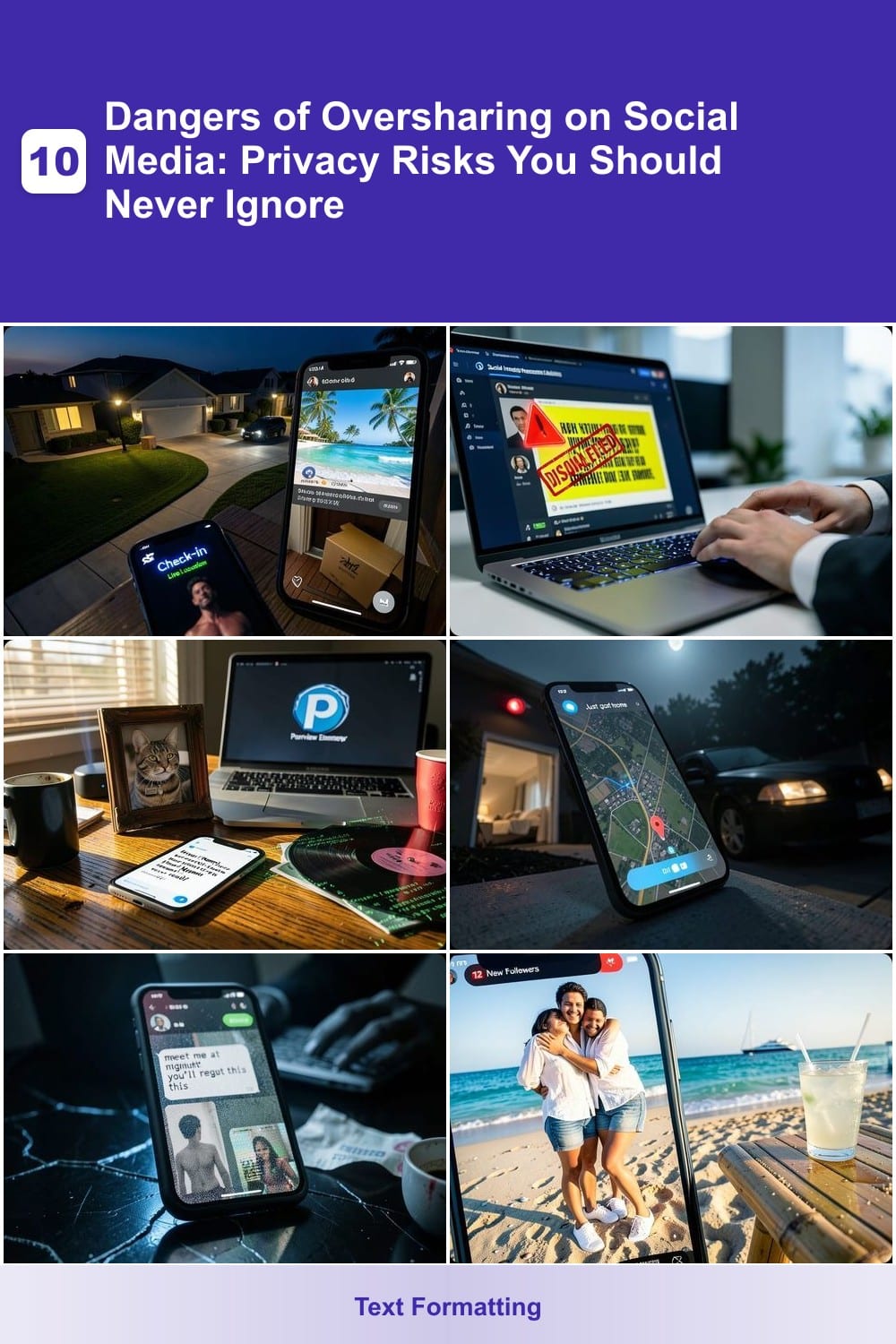
Posting too much online can have serious consequences beyond just awkward moments. These 10 dangers of oversharing on social media reveal how your digital footprint can threaten your privacy, security, and even career—without you realizing it.
Identity Theft Through Personal Location Data
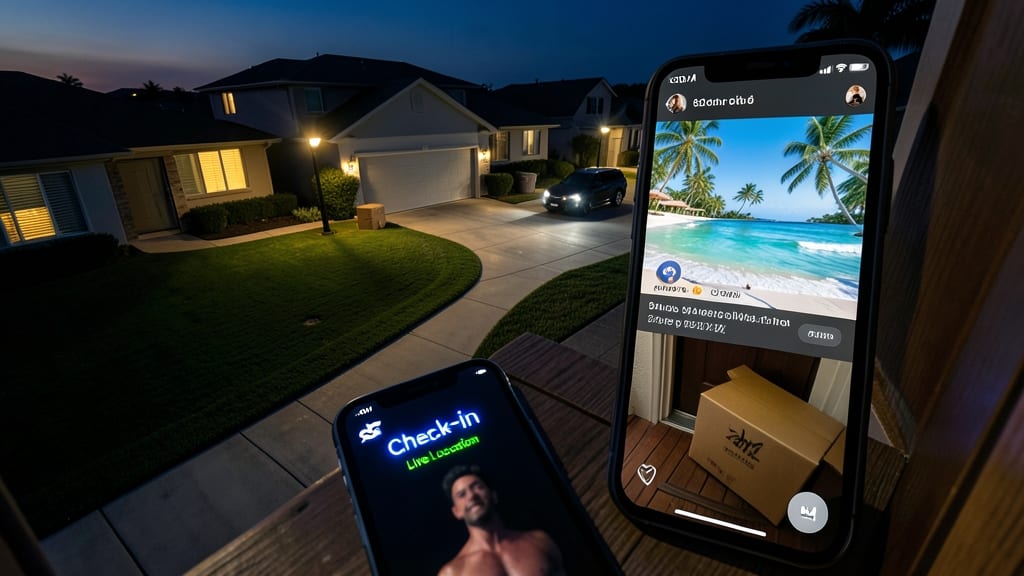
Your gym check-ins, vacation posts, and real-time location tags aren’t just harmless updates—they’re a blueprint for criminals. Thieves use this data to pinpoint when your home is empty (like during your 6 AM gym selfie) or track your travel patterns to steal packages or commit fraud while you’re away.
Platforms like Facebook, Instagram, and Snapchat automatically embed geotags in photos and Stories, even if you don’t realize it. A 2023 FBI report found that 40% of home burglaries were linked to overshared location data, with thieves timing break-ins during predictable routines. Financial fraudsters also exploit this—posting your daily coffee shop visits or weekend getaways gives them clues to guess security answers (like "Where did you meet your spouse?").
This risk isn’t just for celebrities—small businesses, freelancers, and everyday users are targets. If your LinkedIn profile reveals you’re always "out to lunch" at 1 PM, a thief might know exactly when to hit your office. Always disable location services for posts, review old tags, and ask yourself: Would a stranger use this to hurt me? ⚡
Job Loss From Controversial Opinions
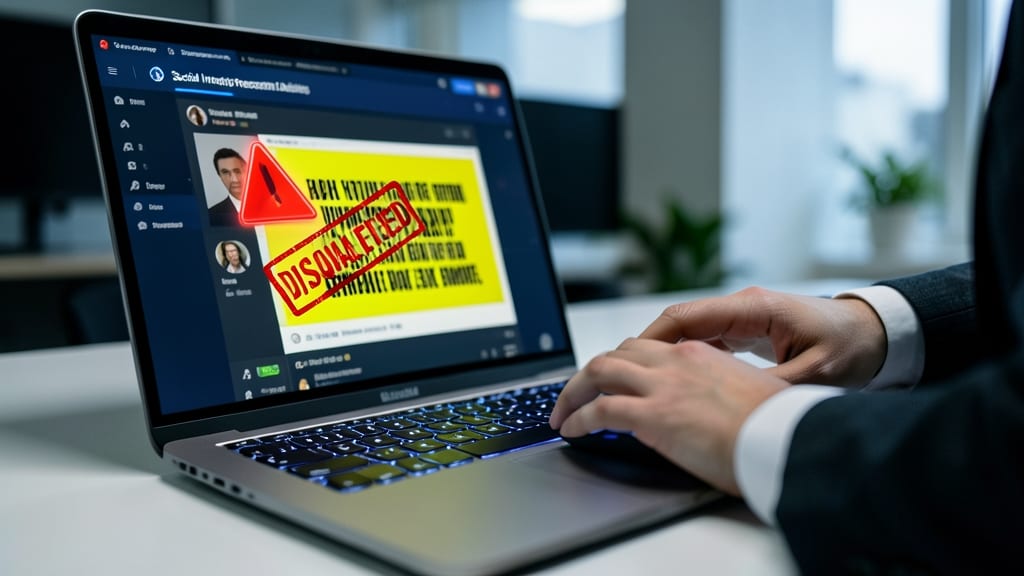
Your dream job could vanish in seconds thanks to a single controversial post from years ago. Recruiters now use tools like Social Intelligence to scan profiles for red flags—political rants, offensive jokes, or even misaligned values can trigger automated disqualification.
Studies show 70% of HR departments check social media before hiring, while 57% of companies have rejected candidates based on posts. Even neutral content can backfire if it conflicts with a company’s brand—think of a tech startup rejecting a candidate for a vegan lifestyle post if their mission focuses on sustainability.
Freelancers and remote workers face extra scrutiny—clients often vet candidates through platforms like LinkedIn before offers. A single misstep could cost you promotions, contracts, or even your current job if managers stumble upon it. 💻
Phishing Attacks Using Shared Details
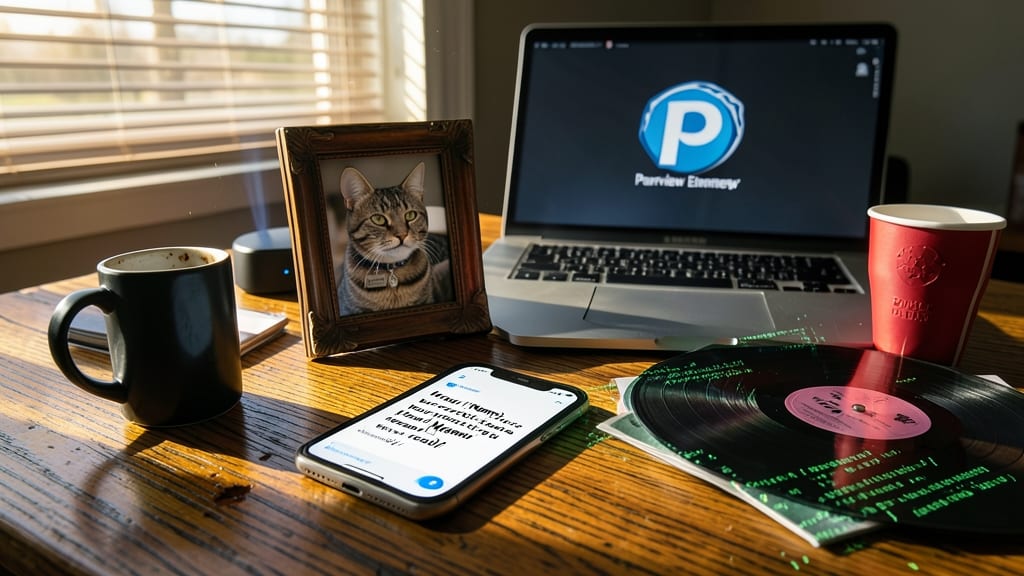
Your favorite band’s name, your cat’s breed, or your kid’s elementary school—these seemingly harmless details are goldmines for scammers. Cybercriminals scour social media to stitch together hyper-personalized phishing emails that trick even the most cautious users, bypassing generic spam filters with alarming success rates.
These attacks often mimic trusted services like your bank, email provider, or even a friend’s account, using real details (e.g., “Hi [Name], remember Max from [Child’s School]?”) to lower your guard. The result? A 78% higher click-through rate on phishing links compared to generic scams, according to recent security reports. Worse, many platforms’ AI detection fails to flag these because they lack the usual red flags like misspellings or suspicious links.
Small business owners and parents are especially vulnerable, as scammers exploit publicly shared family photos or professional networks to craft urgency-driven scams (e.g., “Your PayPal account is locked—verify now!”). Always verify requests via a separate channel before clicking. 💡
Stalking and Harassment Risks
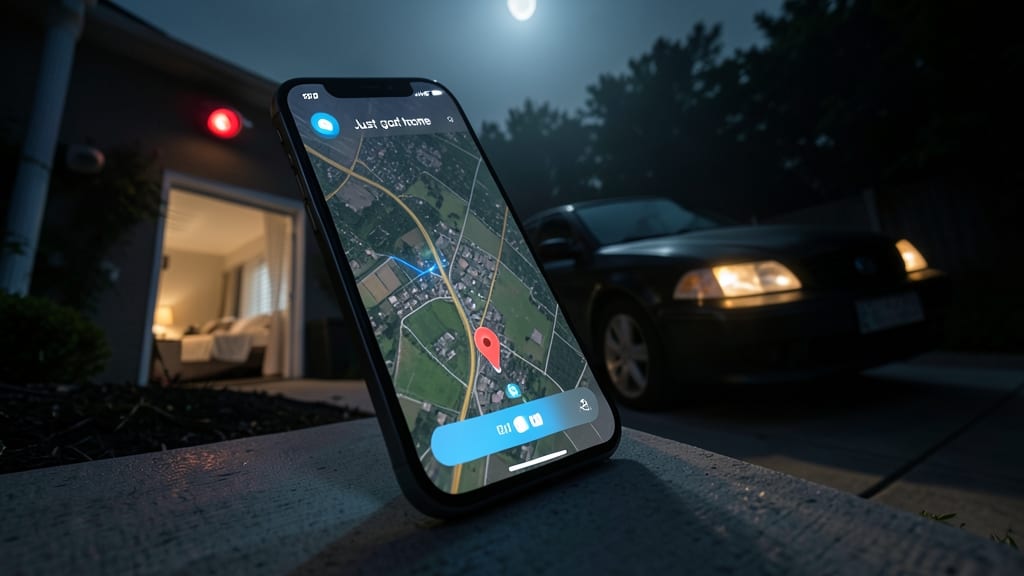
Ever posted a "just got home" check-in or tagged your exact location? That’s all it takes for predators to map your real-time movements like a digital treasure hunt. Stalkers and harassers use these geotagged posts to track victims, monitor routines, and even plan physical confrontations—turning your social media into a live surveillance tool against you.
Platforms like Facebook, Instagram, and Snapchat default to sharing location data unless manually disabled. A single live story or check-in reveals when you’re alone at home, your gym schedule, or even your daily commute patterns. Criminals can cross-reference this with public records (like property ownership) to create a complete threat profile—all from your oversharing.
Victims of domestic abuse, public figures, or even everyday users are at risk. Disable location services in app settings, avoid posting real-time updates, and use private accounts with trusted contacts only. Your safety isn’t just about what you post—it’s about what you leave exposed. 💻
Blackmail and Extortion Scams
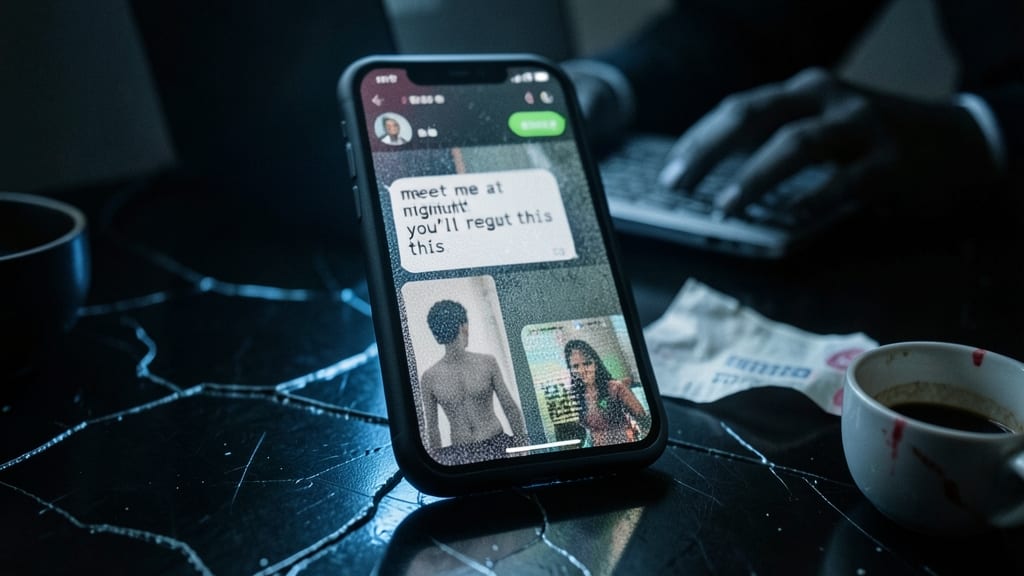
One private message or compromising photo can turn into a nightmare when blackmailers weaponize your digital life. Unlike other scams, blackmail and extortion thrive on emotional leverage—threatening to expose secrets unless you pay, often targeting both ordinary users and public figures alike.
Cybercriminals exploit stolen data from breaches, hacked accounts, or even overshared content to demand payments via cryptocurrency or gift cards. The FBI reports that victims often face psychological trauma and financial ruin, with no guarantees the threat will stop after payment. Even verified accounts aren’t immune—high-profile cases show how easily reputations crumble under pressure.
If you’ve ever shared private conversations or unflattering moments online, you’re at risk. Limit DMs to trusted contacts, enable end-to-end encryption, and never click suspicious links—your digital life’s security depends on it. 💻
Insurance Fraud Based on Social Proof
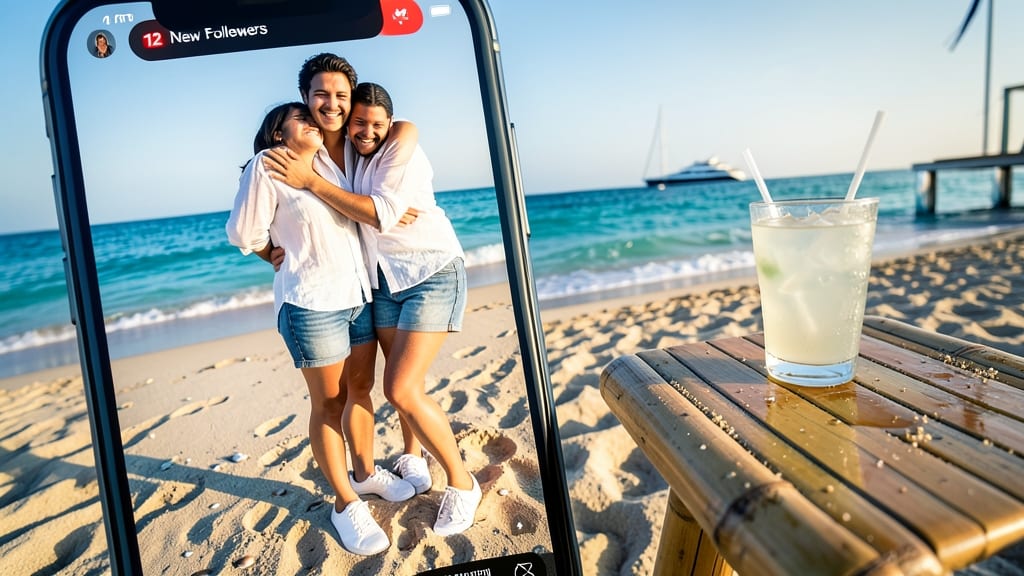
Your vacation selfie might just cost you thousands in denied medical claims. Insurers are increasingly using social media posts as digital proof of well-being to reject injury or illness claims—even if you were secretly suffering.
Companies like State Farm and Allstate now monitor platforms for posts like "Just back from my favorite vacation!" while cross-referencing them with medical records. One 2023 study found a 30% spike in claim denials tied to social proof, with insurers arguing the posts prove you weren’t injured as claimed. Even private messages or tagged photos can be subpoenaed in legal battles.
This risk hits hardest for athletes, gig workers, and small business owners—groups with high injury rates but also active social media presences. Always assume your posts could be scrutinized, especially after filing claims. 💻
Social Engineering for Financial Scams
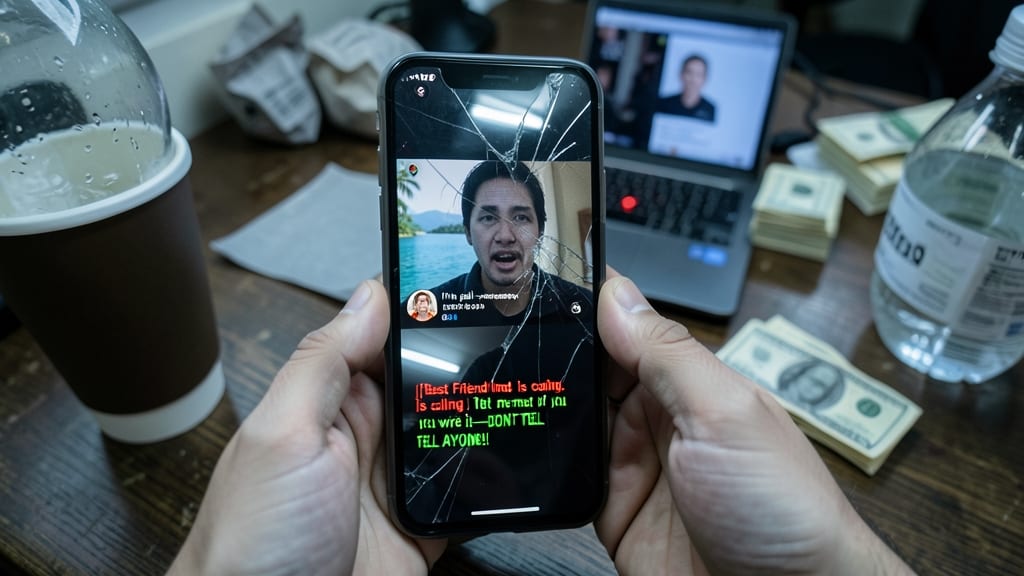
Imagine receiving a frantic message from your "best friend" asking for an emergency loan—except it’s not your friend at all. Social engineering scams exploit stolen details from your posts (birthdays, pet names, or travel plans) to create fake profiles that mimic loved ones, tricking you into transferring money or revealing PINs and passwords.
Fraudsters often use voice cloning technology to mimic loved ones’ voices in calls or deepfake videos to appear authentic. A 2023 report found that $2.7 billion was lost to these scams last year, with victims often too embarrassed to report them. Even a single post about your child’s school name or favorite hobby can be enough for scammers to craft convincing lies.
This tactic targets anyone with an active social media presence, but small business owners and retirees are especially vulnerable due to perceived trustworthiness. Always verify urgent requests via a separate, secure channel before acting. 💡
Legal Consequences for Copyright Violations
That viral meme or trending song snippet you shared might seem harmless—but copyright lawsuits can hit even accidental sharers, with fines up to $150,000 per violation under the DMCA. Platforms like TikTok and Instagram remove content after complaints, but your account could still face legal action if it’s reposted elsewhere.
Music labels and studios aggressively monitor social media, and automated tools flag unlicensed content faster than you can delete it. A single YouTube video or Instagram Story with copyrighted material could trigger a takedown and a lawsuit—especially if it gains traction. Even short clips (like 10-second movie scenes) risk legal trouble if not properly credited.
This risk isn’t just for creators—small businesses and influencers often face claims for unlicensed background music or branded visuals. Always use royalty-free assets or verify licenses before posting. 💻
Targeted Advertising Manipulation
Ever notice how ads for debt consolidation pop up after you mention financial stress—or how anxiety medication ads appear after you post about a tough week? That’s not coincidence. When you overshare health struggles, political views, or financial situations, algorithms don’t just track your interests—they weaponize them to trigger emotionally charged upsells or scams.
Platforms like Facebook and Instagram use real-time data scraping to serve ads tailored to your vulnerabilities. For example, posting about a job search might trigger ads for "quick cash" loans, while sharing mental health updates can flood your feed with predatory therapy services. Even seemingly harmless posts—like complaining about student loans—can attract scammers posing as financial advisors offering "too good to be true" solutions.
This tactic isn’t just annoying; it’s a psychological exploit. The more personal you get, the more advertisers can manipulate your fears or desires. If you’re discussing political leanings, expect targeted misinformation campaigns. Protect yourself by limiting audience tags and avoiding oversharing sensitive topics—your data is currency, and predators are always watching. 💡
Damaged Reputation From Old Posts
Think you’ve erased your digital past? Think again. Even after deleting posts, archived copies can resurface through cached pages, third-party sites, or even screenshots shared by others—giving recruiters, clients, or dates a permanent record of your online behavior.
Platforms like Facebook and Twitter retain deleted content in their archives for years, and tools like Wayback Machine make it easy for anyone to dig up old posts. A single controversial tweet from 2018 or an unflattering photo can resurface during job interviews, dating profiles, or client evaluations, skewing perceptions before you even speak.
This risk isn’t just for public figures—68% of hiring managers admit to checking candidates’ social media, and even casual users can face consequences. Always assume your past is searchable. ✨